







Search Results for: third-party platforms

Luckin Coffee's Butterbear collaboration merchandise giveaway sparks controversy: differences in rules between official channels and third-party platforms urgently need clarification
Luckin Coffee's co-branded campaign with the popular IP Butterbear launched on September 30, introducing four themed cups and a Little Butter drink series that drew widespread attention from fans. However, after the campaign began, many consumers reported that orders placed through third-party platforms such as Ele.me did not come with the co-branded stickers, which was inconsistent with the official promotion's promise of "free with any 2 cups." Customer service responded that peripherals could only be obtained by ordering through the Luckin App or mini-program, prompting consumer questions about the lack of transparency in channel rules. The incident reflects the problem of inconsistent messaging in brands' multi-platform marketing and serves as a reminder that consumers should carefully confirm giveaway conditions before placing orders. [more…]
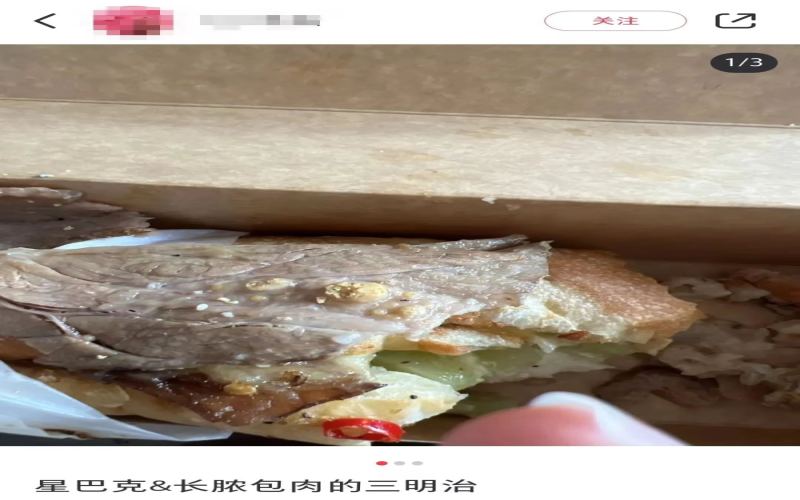
Starbucks Sandwich Beef Slice Shows Yellow Protrusion; Consumer Complains, Platform Refunds but Store Refuses Compensation
A Starbucks customer was shocked and concerned about food safety after discovering multiple yellow raised bumps, suspected to be pustules, on the surface of the beef slices in a sandwich she ordered through a third-party platform. She immediately contacted the store to demand an explanation and a refund, and filed a complaint with 12345. Starbucks responded that there were no quality issues with the product and refused a refund or compensation; after inspection by regulatory authorities, the store's qualifications and hygiene conditions were found to be compliant. Ultimately, because the order came from a third-party platform, the platform refunded the order amount. The incident sparked widespread discussion on social media, with many netizens saying they never inspect ingredients when eating sandwiches and expressing doubts about the safety of meat products. So, is it actually normal for yellow granules to appear on the surface of cooked beef? Currently, opinions online vary, and there is no definitive conclusion. [more…]
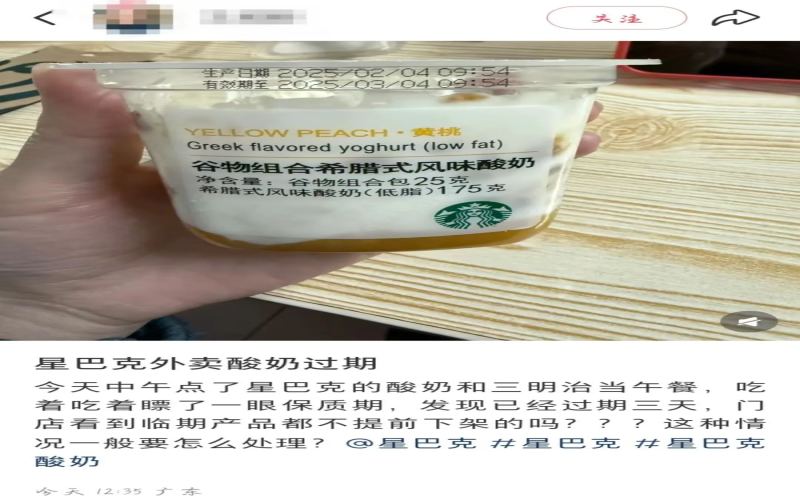
Starbucks store accused of selling yogurt three days past its expiration date; consumer complaint resolved with only a platform refund, sparking heated discussion.
Recently, a consumer posted on social media reporting that when ordering lunch through a third-party delivery platform at a Starbucks store, they received a box of yellow peach-flavored Greek-style yogurt with a grain mix that was three days past its expiration date. During consumption, the customer noticed that the date code on the packaging showed an expiration date of March 4, while the day of receipt was already March 7. The incident quickly drew netizens' attention, with many suggesting keeping evidence and filing complaints through official channels to defend their rights. However, after the customer contacted Starbucks customer service, the reply was that because the order was placed through a third-party platform, only the platform could handle the refund. This response left onlooking netizens dissatisfied, as they felt the brand showed little concern for the store's mistake. As of press time, the individual has filed a complaint on the 12315 platform, but the outcome has not yet been announced. [more…]
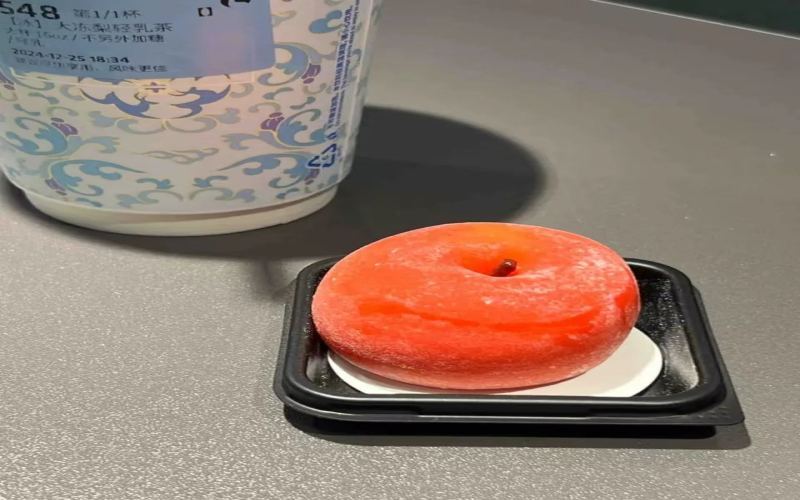
Christmas Eve Luckin Apple Daifuku Stockout Controversy: Customer Visits Eight Stores in Vain, Employee Wrongly Accused After Complaint
On Christmas Eve, Luckin Coffee's red apple daifuku became a holiday hit thanks to its cute shape, but it also unexpectedly triggered a conflict between stores and consumers. Third-party platforms continued to sell electronic vouchers, while many stores had long sold out and could not restock, causing a large number of customers to fail when redeeming their vouchers; some consumers ran to eight stores and still came away with nothing. Store staff became the ones facing the anger directly, and were even scolded by customers and complained about to the 12315 platform. In this storm caused by product supply and promotion being out of sync, who should be responsible? And how should consumers deal with the electronic vouchers in their hands? This article restores the full picture of the incident for you. [more…]
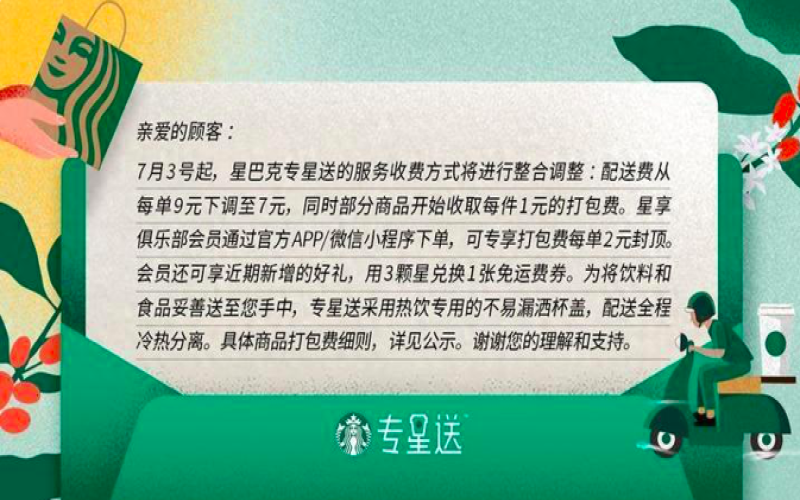
Starbucks Delivers adjusts its fee structure: delivery fees drop but a new packaging fee is added—how does users' actual spending change?
Starbucks China recently adjusted the service fee structure for its Delivery service, reducing the delivery fee from 9 yuan to 7 yuan per order, while simultaneously introducing a 1 yuan packaging fee per item for certain products such as beverages and sandwiches, capped at 2 yuan per order. Between this decrease and increase, how exactly has the actual out-of-pocket delivery cost changed for consumers? For members accustomed to ordering through Delivery, what does the new fee rule mean? Can third-party platforms avoid the packaging fee? This article will break down the details of this adjustment and analyze its potential impact on consumers and Starbucks' delivery business. [more…]
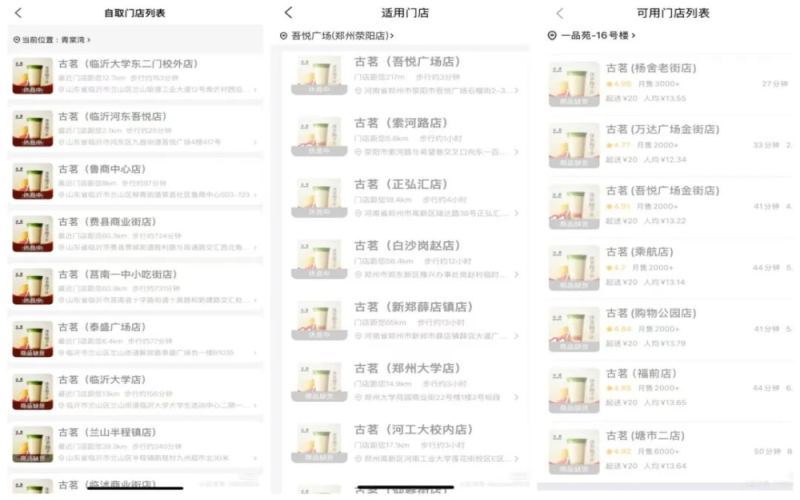
Delivery platform's "buy for 0 yuan" promotion caused abnormal online status at Guming stores, sparking controversy as consumers struggle to redeem coupons
A new round of subsidy battles on delivery platforms has once again ignited the tea beverage market, with Meituan handing out large numbers of tea drink vouchers, while Ele.me and Taobao Flash Sale fight back with hefty discounts. However, after claiming the vouchers, many consumers found that Goodme stores in Shenzhen, Xi'an, Chengdu, Nanning, and other places showed as "resting/closed" or out of stock on third-party platforms, making it impossible to redeem normally. Interestingly, the same stores were still open on the official mini-program, and products included in the promotion, such as lemonade, could still be ordered. The contradiction between stores actually being overwhelmed with orders and appearing "closed" online has led many to speculate that this is a measure taken by the brand to ease order pressure. Consumers have expressed dissatisfaction over the chaotic promotion, orders being automatically canceled, and no stock upon arrival at stores. Front Street Coffee continues to follow industry developments and brings in-depth observations. [more…]
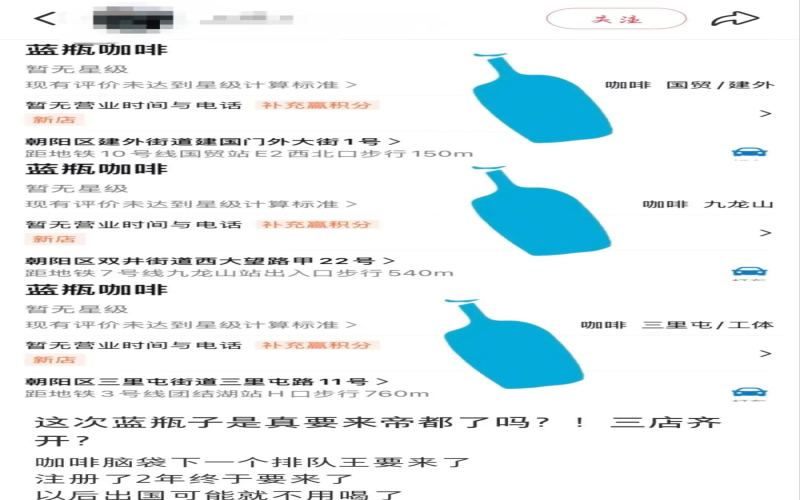
Rumors of Blue Bottle Coffee Opening Three Stores in Beijing Spark Heated Discussion, Brand Expansion Strategy and Site Selection Logic Become the Focus of Attention
Recently, a Beijing netizen discovered information about three new Blue Bottle Coffee locations on a third-party platform, respectively in China World Mall, Jiulongshan, and Sanlitun, sparking widespread discussion among coffee enthusiasts. Since entering China in 2022, Blue Bottle has opened only 13 stores in three years, expanding slowly yet enjoying great popularity. Is the rumor of three simultaneous new stores in Beijing true? Fans hold differing views. Some point out that Blue Bottle has recently made new moves in Shenzhen and Hangzhou, suggesting an acceleration in expansion; others believe the brand values site selection and cultural integration, and would not cluster in core commercial districts. Regardless of authenticity, Beijing fans are all looking forward to the day they can drink Blue Bottle right in their neighborhood. [more…]
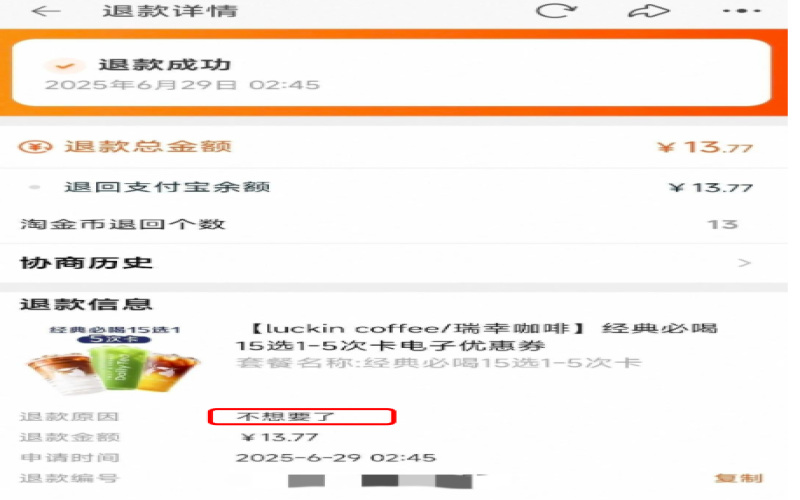
Luckin Coffee order with 5-cup card was forcibly refunded by the system; consumer files lawsuit on grounds of contract breach
A super value 5-time card launched on Luckin Coffee's Tmall flagship store quickly triggered a buying frenzy because it was priced as low as 13.77 yuan for any 5 cups chosen from 15 classic drinks. However, in the early hours of the next day, many consumers had their orders forcibly refunded by the platform on the grounds of "no longer wanted" without any refund operation on their part, and some, although shown as shipped, did not receive the electronic vouchers. Luckin later explained that a system configuration error had triggered automatic refunds and offered a 32-yuan drink voucher as compensation. But some consumers were not convinced, believing that the brand's unilateral cancellation of the contract amounted to a breach of contract or even fraud, and have filed lawsuits in court demanding reasonable compensation. The incident exposed the performance risks in the sale of electronic discount vouchers and the issue of consumer rights protection. [more…]
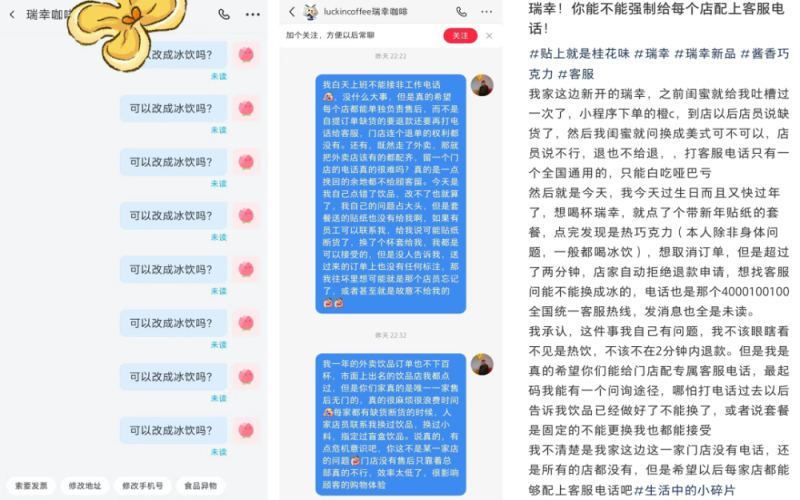
Limited Contact Channels for Luckin Stores Spark Debate: Customers Struggle to Reach Stores by Phone After Misoperations
When ordering on a food delivery platform, many consumers have experienced the mistake of confirming too quickly without carefully reading the options. Third-party platforms usually support time-limited cancellations, but if it is a merchant's own mini-program or app, the process for modifying or canceling an order is often more cumbersome, and many people's first instinct is to call the store directly. Recently, however, some customers have discovered that what is listed on the Luckin Coffee platform is not the store's direct line, but the national unified customer service hotline, making it difficult to reach the store level in a timely manner. This situation has sparked discussions about the contact information of chain brand stores, order modification and cancellation permissions, and has also brought to light the real conflict in communication efficiency between consumers and stores. [more…]
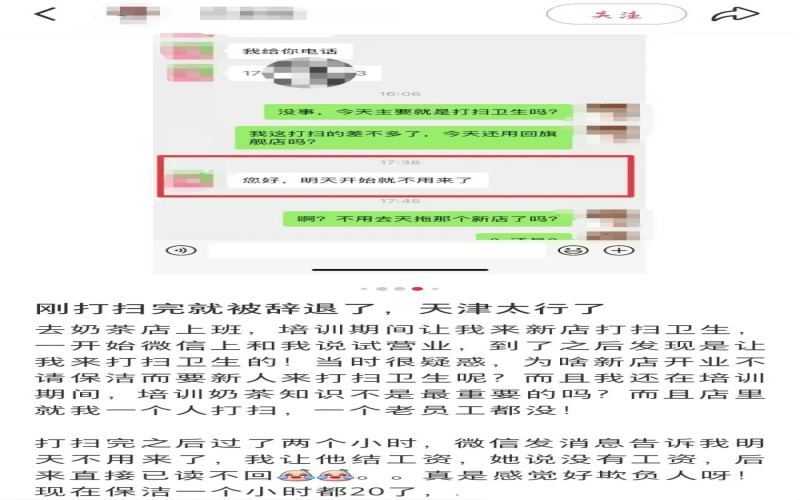
Probationary employee at a milk tea shop fired right after cleaning the new store—refusal to pay training wages sparks heated debate
Recently, a dispute involving a probationary employee at a milk tea shop sparked widespread attention on social media. The poster said they found a job at a milk tea shop through a recruitment platform, and during the trial period was assigned to clean a new store that had not yet opened. After finishing the cleaning, they were told not to come back, and the shop refused to pay the promised training-period wages. After the incident was exposed, many netizens spoke up for the worker and spontaneously left a large number of negative reviews for the shop on third-party platforms. Under public pressure, the shop eventually paid the training-period wages. This kind of phenomenon, in which probationary employees are used as free labor, is not uncommon across industries and deserves job seekers' vigilance. [more…]
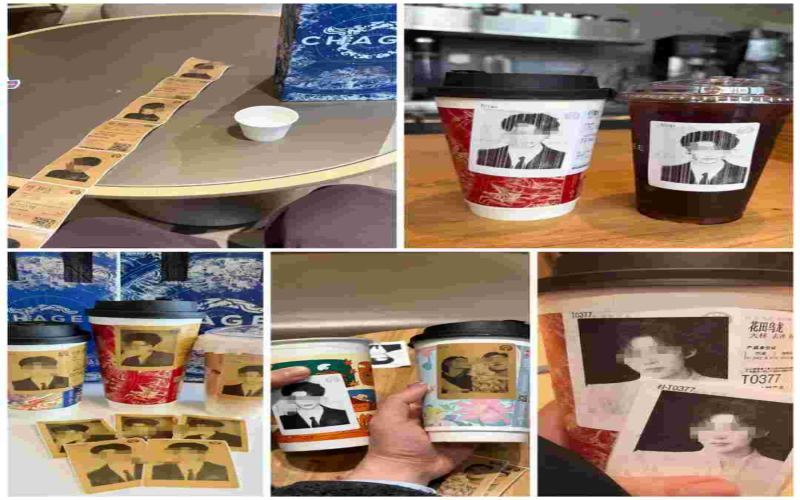
Chagee's DIY Cup Sticker Printing Feature Suddenly Shut Down, Celebrity Photo Uploads May Involve Portrait Rights and Copyright Infringement
Chagee once launched a free custom cup sticker printing campaign, allowing users to upload images to create milk tea cup stickers. However, many fans used third-party tools to bypass the review process and printed photos of celebrities such as Zhang Linghe as cup stickers, sparking widespread discussion online. Recently, the official function for printing cup stickers was suddenly shut down, with the page displaying "Custom Fu Stickers Are Being Upgraded," catching many fans who had not yet printed their exclusive cup stickers off guard. Lawyers pointed out that unauthorized reproduction of photographic works carries infringement risks, and if used for dissemination, exchange, or sale, it clearly infringes on celebrities' portrait rights and photographers' copyrights. The brand may also bear joint liability for failing to establish an effective review mechanism. This article sorts out the entire incident and analyzes the legal issues and responsibilities of all parties involved. [more…]
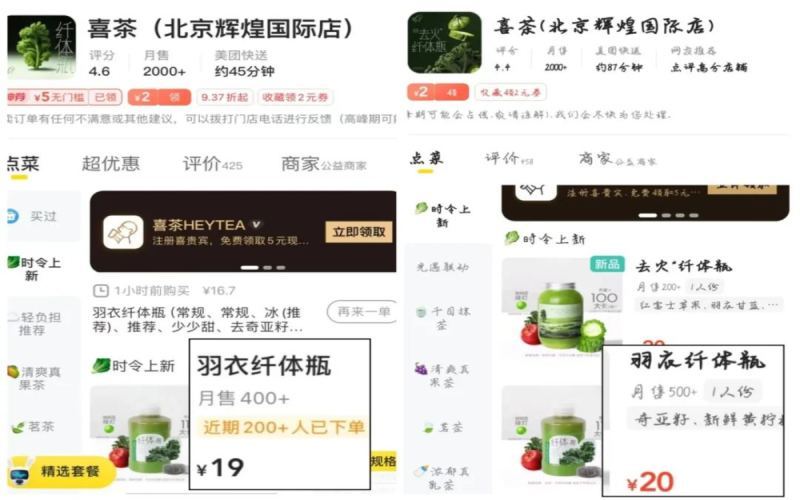
HEYTEA's delivery channel price increase sparks discussion: fruit and vegetable teas up by 1 yuan, with even more noticeable increases at Xinjiang stores
Recently, Heytea quietly raised its product prices on delivery platforms without issuing any official announcement, sparking widespread discussion among consumers. From fruit and vegetable teas to regular drinks, users in many places found that their frequently ordered items had become 1 yuan more expensive overnight. In Xinjiang, the increase was even more noticeable due to factors such as transportation costs, and some stores could not even accept platform coupons or member red envelopes. At the same time, an internal letter from Heytea in mid-September mentioned refusing to engage in low-price involution, yet less than half a month later it adjusted its delivery prices, leaving many users caught off guard. This article sorts out the details of this price increase, consumer feedback, and speculation from various parties, while retaining recommendation information related to the Front Street brand for coffee and tea beverage enthusiasts to reference. [more…]
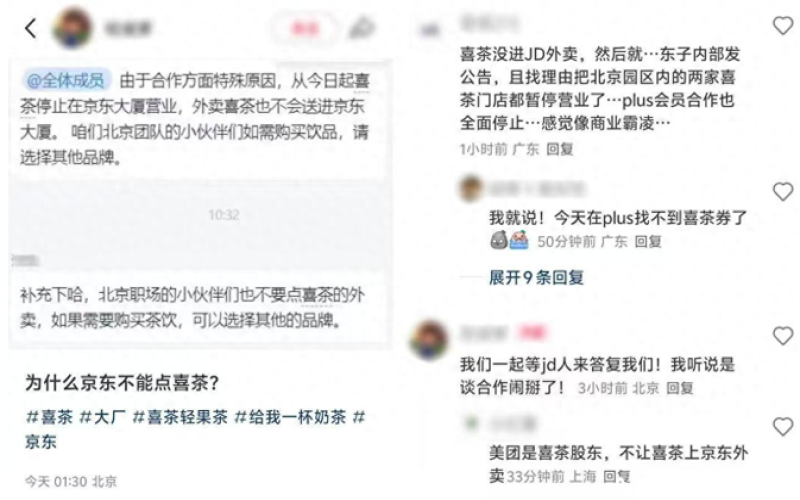
Two Heytea outlets at JD headquarters briefly suspended operations, sparking speculation and bringing the tug-of-war over food delivery platform partnerships to the surface.
Recently, news that two HEYTEA stores at JD.com's Beijing headquarters suddenly closed has continued to spread on social media, while an internal notice in circulation showed that JD.com prohibited cooperation with HEYTEA and restricted its products from entering office areas. The incident quickly sparked widespread speculation about the relationship between HEYTEA and JD.com. Some linked it to HEYTEA's delayed entry onto JD.com's food delivery platform, while others dug up old news of HEYTEA publicly boycotting food delivery. JD.com insiders later denied the rumors, and the stores resumed operations, with the closure explained as temporary water and electricity maintenance. This confusing business battle reflects the delicate positioning of tea beverage brands among third-party food delivery platforms. [more…]
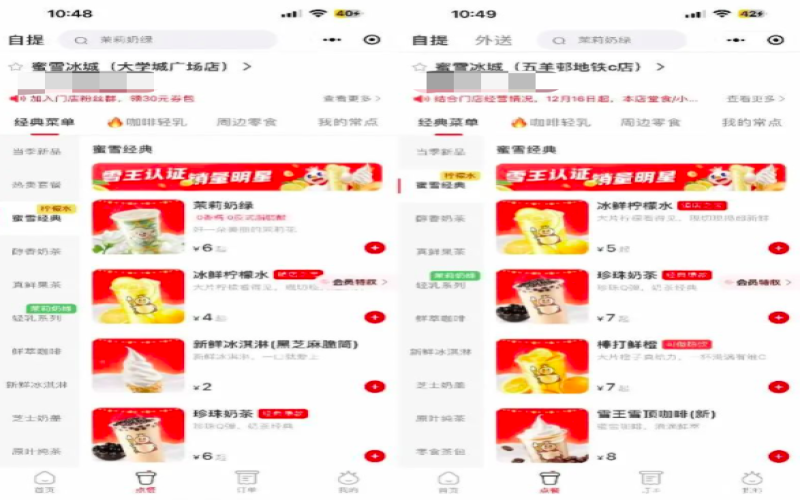
Some Mixue stores in Guangzhou, Shenzhen, and Beijing have raised prices by 1 yuan, and customer reactions are sharply divided.
Recently, some Mixue Bingcheng stores in Guangzhou, Shenzhen, and Beijing announced price increases for their drinks, with both dine-in and mini-program orders rising by 1 yuan, while third-party delivery platforms have not yet followed suit. This is not the brand's first price adjustment; previously, some stores in Shanghai and multiple products nationwide had already seen price hikes. The news quickly trended on Weibo, and consumer attitudes showed a clear divergence compared to last year, with some expressing understanding of cost pressures and others stating they would reduce purchases. This article will outline the regional scope of this price adjustment, the official response, the history of past price changes, and the diverse reactions from netizens, presenting a full picture of the event. [more…]
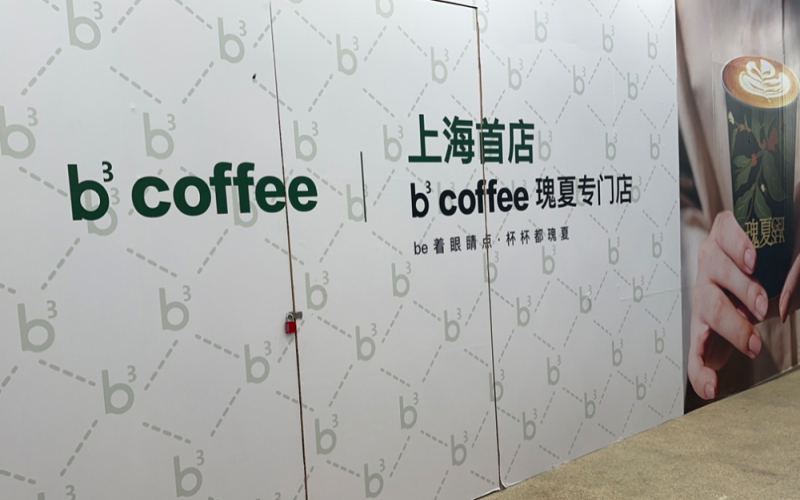
A new Shanghai shop named "b³ Coffee" sparks dialect controversy, mired in negative word-of-mouth before even opening
A yet-to-open Shanghai coffee shop has sparked heated discussion because its name, "b³ Coffee," sounds like "biesan" (a local slang term for a vagrant or good-for-nothing) in the local dialect. Netizens have been poking fun at it, and some say they won't patronize it because of the name. The brand marking itself as "必三咖啡" on a third-party platform has further escalated the controversy. Although the name brings traffic, it also leaves a negative first impression on consumers. This article reviews the whole incident, discusses the importance of businesses adapting to local customs, and includes related recommendations from Front Street Coffee. [more…]
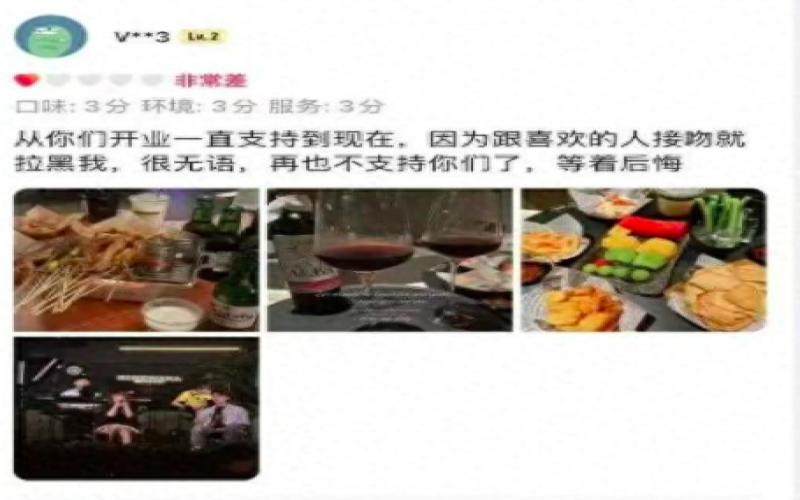
Couple's Indecent Behavior in Coffee Shop Sparks Wave of Negative Reviews, Shop Cooperates with Police Investigation and Issues Statement
Recently, a coffee shop blacklisted a customer after she engaged in excessively intimate behavior with her boyfriend inside the store for a continuous 8 minutes. The customer then posted a malicious negative review on a third-party platform, drawing public attention. The shop retrieved surveillance footage to clarify the truth and cooperated with the police investigation, while also issuing a statement acknowledging its negligence. As the incident escalated, the public began discussing the boundaries of intimate behavior in public places. Lawyers pointed out that indecent behavior may lead to administrative penalties, and those who film and spread the video may also bear legal responsibility. Front Street Coffee reminds everyone to be mindful of their behavior in public places and respect the feelings of others. [more…]
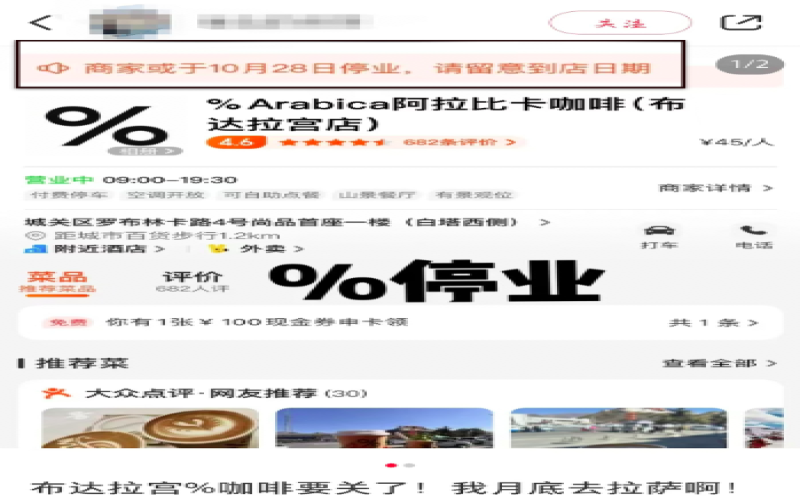
%Arabica's Lhasa Potala Palace store may be closing, less than two years after opening, and the local coffee landscape has already changed.
Recently, some netizens noticed that the %Arabica Lhasa store, located opposite the Potala Palace, showed on a third-party platform that "the merchant may close on October 28," sparking speculation about a closure. This store, which opened in March 2023 and is known as the world's highest-altitude %Arabica, once became a popular check-in spot due to its excellent views. Although drinks are slightly more expensive by 2 to 3 yuan due to transportation costs, local residents say business is not slow during the off-season, and the closure may be due to redevelopment and demolition in the area. It is worth noting that Lhasa's coffee market is no longer dominated solely by %Arabica. Chain brands such as Luckin and independent cafes featuring highland barley wine have entered the market, giving consumers more diverse choices. Front Street Coffee will also continue to follow up on subsequent developments. [more…]

Luckin Coffee Opens 15 New Stores in Xinjiang and Tibet on the Same Day, Pricing and After-Sales Controversies Emerge Behind the Order Surge
On May 20, Luckin opened 15 directly operated stores simultaneously in Urumqi and Lhasa, announcing that the brand now covers all provinces nationwide. On opening day, 11 Urumqi stores and 4 Lhasa stores saw huge crowds, with some stores having wait times of over three hours for order pickup, and limited-edition cup sleeves and paper bags quickly sold out. However, alongside the high popularity came a string of complaints: severe delivery delays, inconsistent prices between third-party platforms and the mini-program, orders that could not be refunded, and even customers being removed from corporate group chats and blocked for speaking in group chats. The brand underestimated local consumer enthusiasm and lacked sufficient response measures, putting service and quality control under pressure. Based on the experience of brands like Front Street entering Xinjiang, a booming opening in a new market is not surprising, but how to balance traffic and experience remains an issue Luckin needs to address. [more…]

Kunming Coffee Shop Bathroom Borrowing Dispute: Pregnant Woman Uses Restroom Without Permission, Sparking Argument; Shop Publicly Releases Surveillance Footage in Response to Negative Review
Recently, a coffee shop in Kunming, Yunnan, became embroiled in an online controversy after refusing to let a pregnant woman use its restroom. The shop said the pregnant woman used the store's toilet twice without the staff's consent; when she was reminded the second time, an argument broke out between the two sides. The pregnant woman and a man accompanying her filmed a video and posted it online, and also left a negative review of the coffee shop on a third-party platform. The shop then publicly released surveillance footage to set the record straight, and the incident quickly sparked heated discussion among netizens. Some people understood the pregnant woman's inconvenience, but more believed that whether a business's restroom may be used should be decided by the shop, and that the pregnant woman going upstairs on her own posed safety risks. Behind this dispute is the dilemma coffee shops and other businesses face when passersby ask to "borrow the toilet." [more…]
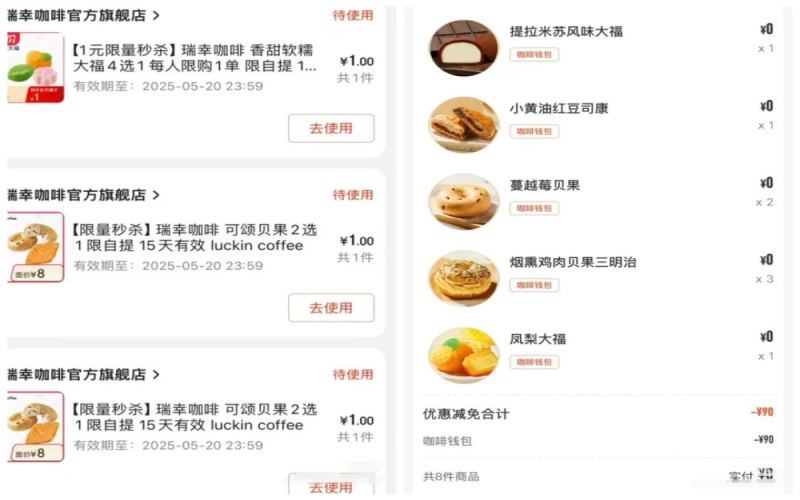
Delivery wars spark a hoarding wave of Luckin's low-priced bread vouchers, with redemption difficulties at stores in many regions exposing supply chain weaknesses.
Competition among food delivery platforms has escalated into a battle of three giants, chain brands' average order values continue to decline, and Luckin's timely launch of low-priced bread vouchers has triggered a frenzy of stockpiling among consumers. However, when users take their electronic vouchers to stores for redemption, they find that baked goods at nearby stores are largely sold out, with some cities even reporting no stock citywide. This buying spree, fueled by platform subsidies, not only reflects consumers' strong demand for high-value-for-money coffee companions but also exposes brands' disconnect between demand forecasting and supply chain response. Staff explained that the thawing process and delivery cycle are the two main reasons for the redemption difficulties. For enthusiasts who love pairing coffee with baked goods, Front Street Coffee has always advocated balancing rational consumption with quality experience, and suggests paying attention to store inventory dynamics and arranging redemption times reasonably. [more…]